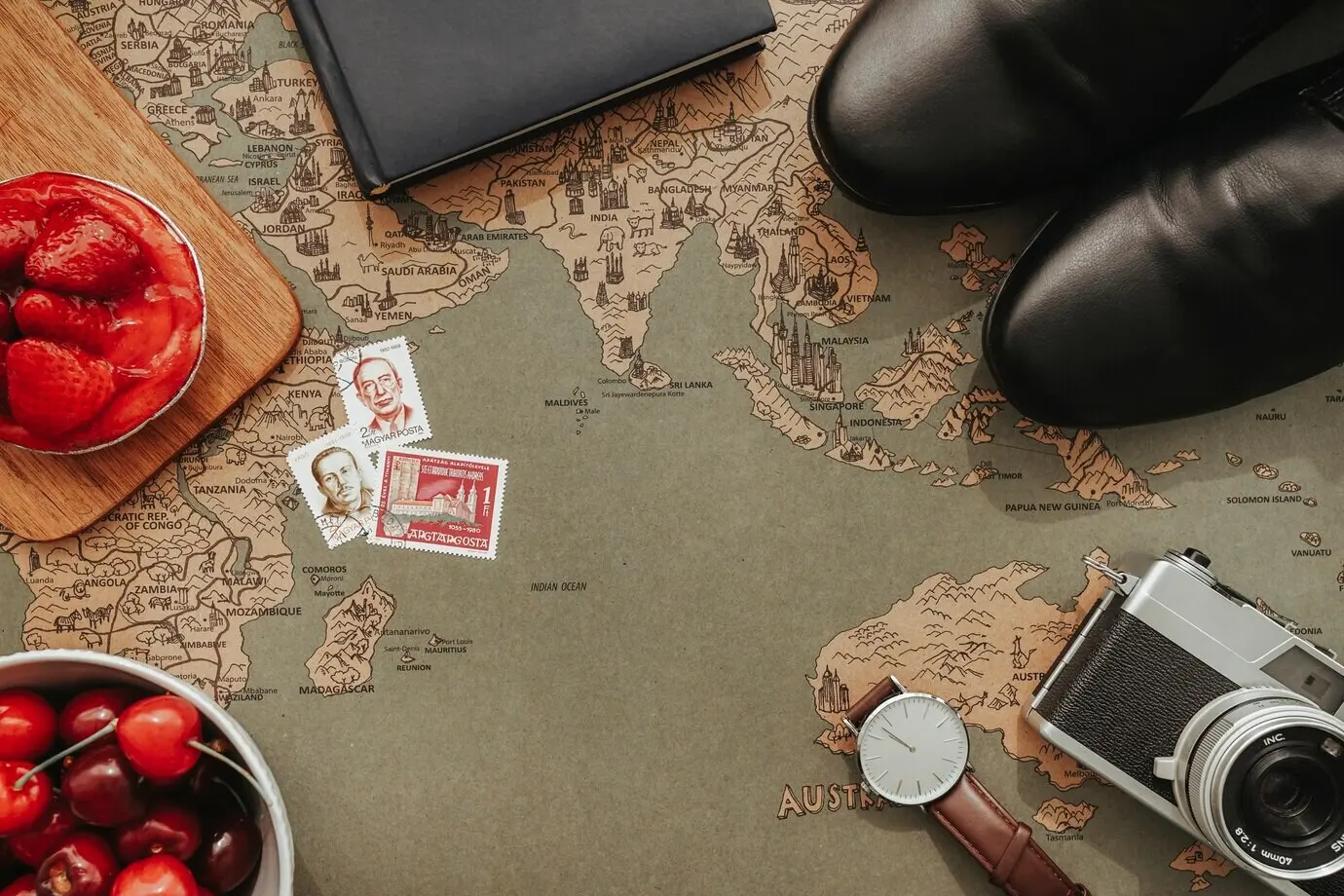
A World in Miniature: Cultures Told by Stamps
Today we explore World Cultures Through Postage Art, following how tiny printed squares carry languages, rituals, landscapes, and memories across borders. Expect vivid stories, practical tips, and thoughtful questions that help you recognize cultural nuance, challenge assumptions, and celebrate the remarkable diplomacy of design traveling quietly from envelope to heart.

Windows on Identity

Postage images function like pocket-sized museum labels, pointing to values communities elevate: heroes, dances, endangered species, alphabets, or foods. Study composition, materials, and cancellations to glimpse everyday realities and national aspirations. Share in the comments which tiny detail first made you reconsider a place you thought you knew.

Tiny Timelines

Small dates and overprints map turning points: independence declarations, currency reforms, jubilees, and new constitutions. By arranging issues chronologically, you watch borders shift and alliances form. Use postmarks to trace journeys, then compare textbooks to appreciate how travel and governance shape everyday communication and collective memory.

Craft and Technique

Techniques reveal regional aesthetics and infrastructure. Intaglio lines shimmer like river currents; offset splashes sing contemporary palettes; letterpress textures recall early presses. Understanding production constraints clarifies why certain countries favor specific methods. Craft respects budget, craftsmen, and cultural goals, shaping how audiences perceive value and authenticity.

Engraving Lines

Engraving carves light out of darkness, demanding patience and virtuosity. Magnification exposes crosshatching that models faces and fabrics with breathtaking subtlety. Compare line weights across printers to spot workshops and eras. Share a close-up photo and reflect on how texture alters your emotional response.

Layers of Color

Layered inks shape symbolism and legibility. Limited palettes can elevate folk motifs; full spectra celebrate festivals and biodiversity. Track registration accuracy, halftone patterns, and fugitive inks that fade under sun. Such technical decisions whisper priorities about budgets, audience access, and intended longevity of the message.

Portraits and Permission

Portrait sets spark questions about consent, representation, and decolonial practice. Who is honored, who is flattened into cliché, and who is missing entirely? Research artist credits, community consultation, and contemporaneous criticism. Let ethical curiosity guide admiration so celebration never erases complexity or reproduces historical harms.

Collecting with Care

Ethical Sourcing

Buy from trusted dealers, community museums, or fundraisers that benefit postal archives. Avoid looted material and counterfeit charity labels masquerading as support. Ask questions about origin, legality, and fair compensation. Ethical choices add meaning to albums and strengthen the institutions preserving stories for future researchers.

Preservation Basics

Humidity, light, and oils threaten fragile inks and papers. Use archival mounts, ventilated storage, and soft cotton handling. Document translations, design credits, and found narratives alongside catalog numbers. Preservation protects not only objects but pathways for dialogue as new generations reinterpret these small ambassadors again.

Albums that Tell Stories

Arrange pages like guided journeys. Group stamps by motifs—music, weaving, architecture—or by dialogues between neighbors. Caption with questions, not verdicts, inviting viewers to share memories. Albums curated for conversation transform collecting into bridge-building, inspiring meetups, classroom visits, and collaborative research across languages and lived experiences.

Stories from the Mailbox

Mail carries intimacy that museums rarely replicate. A cancel blot over a lover’s name, a tea stain, or an improvised envelope from newspaper turns design into lived artifact. These small proofs of connection make geography feel walkable and encourage listening before interpreting from afar.

A Grandmother’s Parcel

My grandmother saved wrappers from relief parcels after the war, each postmark a breadcrumb trail through rebuilding. Sorting them taught me empathy faster than any lecture. Share a family envelope or stamp that anchors your own memory, and tell us what feelings it unlocks.

Pen Pals and Peace

Two teenagers exchanged stamps and recipes across oceans, learning to pronounce each other’s names through careful transliteration. Their albums became cookbooks, their letters a map of kindness. Consider starting a respectful exchange with a classroom abroad, focusing on questions, listening, and mutual curiosity rather than accumulation alone.

Market Serendipity

A flea-market box yielded a battered set from a now-vanished airline, each stamp canceled in different scripts. Research uncovered migrant flight attendants singing folk songs on layovers. Sometimes bargains become lanterns, illuminating working lives otherwise missing from grand political narratives and glossy tourist brochures.
Your Turn

Make this journey participatory. Set achievable goals, document learning, and invite feedback. Share scans, questions, and respectful corrections so our community becomes a living catalog of care. Together we can map connections, confront biases, and cultivate delight in seeing difference with generosity and rigor.

Weekend Stamp Safari

Visit your local post office or market and pick one stamp depicting culture—music, dress, script, or craft. Write a short note about what you observe, then verify with two sources. Photograph respectfully, credit designers, and tell us what surprised you most during discovery.

Micro-Research Prompts

Choose a single symbol—a drum, canoe, or mountain—and follow it across five countries’ issues. Compare materials, captions, and political contexts. Summarize your findings in a paragraph, cite sources, and note remaining questions. Curiosity grows stronger when mystery stays welcome alongside careful documentation.

Join the Conversation

Post a scan or cell photo in the comments, add a caption with date, place, and reason you chose it, and invite someone from that culture to add nuance. Subscribe for future deep dives and collaborative challenges that build trust, skill, and lasting friendships across borders.

Cncmundo
Privacy Overview

This website uses cookies so that we can provide you with the best user experience possible. Cookie information is stored in your browser and performs functions such as recognising you when you return to our website and helping our team to understand which sections of the website you find most interesting and useful.