Cultural Diplomacy in Miniature: Nation Branding on Postage Stamps

Join us as we explore Cultural Diplomacy: Nation Branding Through Philatelic Design, revealing how tiny works of art travel farther than diplomats and advertising budgets. We’ll trace design choices, postal stories, and surprising collaborations that shape perception, inspire curiosity, and quietly build relationships one envelope, collector album, and cancellation mark at a time. Share your favorite stamp, subscribe for field notes from designers and curators, and tell us which postal stories changed how you see a country.

A Tiny Canvas with Global Reach

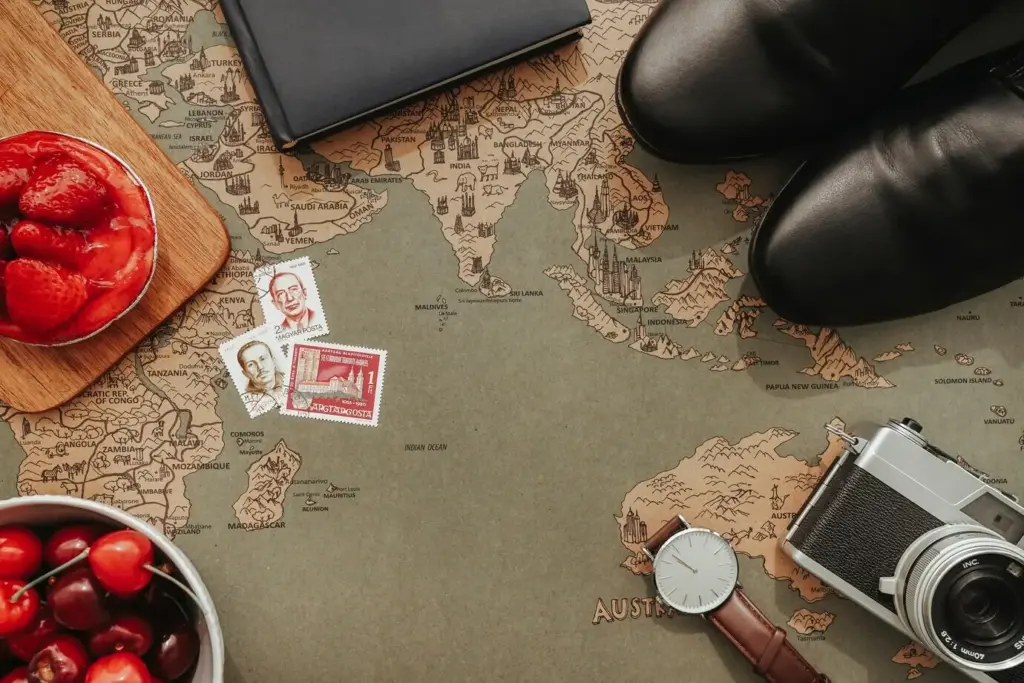
A postage stamp is a traveling storyteller, a government-certified artwork that slips into hands and hearts across borders. Its scale compels precision: symbols must resonate instantly, type must whisper legibly, and composition must carry identity without shouting. When aligned with national values, a stamp becomes an ambassador, appearing on documents, postcards, philatelic fairs, and news features, gently reinforcing reputation through repeated, intimate encounters that invite curiosity and respectful conversation.
Flags, flora, fauna, dress, monuments, and crafts condense cultural meaning into images that anyone can recognize at arm’s length. Effective stamps choose emblems that are beloved at home yet intriguing abroad, balancing familiarity with discovery. A stylized crane, a specific weave pattern, or a vernacular roofline can signal origin immediately while prompting a second glance that becomes an invitation to learn, collect, and share respectful stories.
Designing for centimeters demands ruthless clarity. Hierarchies prioritize the issuing country, denomination, and primary image, while micro-details reward collectors with careful inspection. Negative space becomes a diplomatic pause, guiding the eye through meaning. Designers prototype at true size, test ink gain, and ensure reproduction remains faithful across printing methods. The result is a narrative that reads from across a counter yet continues unfolding through magnifiers and memories.
Successful issues arise from collaboration among postal services, cultural ministries, historians, artists, printers, and sometimes foreign partners. Briefs articulate objectives, sensitivities, and desired international resonance. Review cycles check facts, spellings, and symbolism to avoid unintended messages. When stakeholders align early, the stamp’s journey—announcement, first day ceremony, cancellations, and exhibition—unfolds smoothly, amplifying goodwill, media coverage, and genuine engagement from both citizens and international audiences who cherish the story being mailed.

Color, Type, and Iconography That Signal Identity

Visual language is diplomacy. Palettes echo landscapes or festivals; letterforms suggest eras and voices; icons compress narratives into crisp moments. Together, they hint at values—openness, heritage, innovation, resilience—without slogans. Designers borrow from textiles, manuscripts, or architectural details to speak authentically while ensuring modern clarity. The goal is harmony: an instantly recognizable look that feels fresh, respectful, and confident, inviting recipients to associate positive qualities with every postmark that crosses their desk.

Case Studies Across Continents

{{SECTION_SUBTITLE}}
Bhutan’s Talking Stamps and Playful Audacity

Bhutan’s phonograph-record stamps captured imaginations by blending cultural storytelling with delightful surprise, proving that novelty can carry dignity when guided by purpose. The circular format framed music and message, sparking global media attention without sacrificing national character. This audacity shows how confident experimentation, paired with respectful design craft, can introduce a smaller nation to millions, transforming stamps into conversation starters that travel from collectors’ clubs to classrooms and living rooms across continents with contagious enthusiasm.

European Joint Issues and Shared Annual Focus

Many European postal services coordinate yearly issues around a shared subject, encouraging visual dialogue across borders while honoring local perspective. Designers interpret common prompts through regional materials, histories, and moods, producing fascinating contrasts that reveal a mosaic of identities. Collectors chase complete sets, cultural institutions curate comparisons, and schools invite students to spot differences, building cross-border literacy. This collective choreography demonstrates soft power that feels collaborative rather than competitive, nurturing empathy through careful, joyful study.

Collaborations, Joint Issues, and Diplomatic Moments

When two nations create a stamp together, design becomes handshake and stage. Shared imagery honors milestones—anniversaries, scientific partnerships, cultural exchanges—and invites mutual audiences to discover new details. First day ceremonies gather ambassadors, artists, and communities for warm speeches and delightful envelopes. Media coverage multiplies meaning, while cancellations travel like commemorative signatures. Thoughtful planning ensures parity, sensitivity, and joy, transforming logistics into memory while strengthening trust through art that literally moves between friends.

Ethics, Memory, and Representation

Editorial choices shape memory. Each issue says yes to one story and not yet to many others. Transparent selection criteria, rotating advisory panels, and open calls for proposals encourage fairness. Companion materials—booklets, websites, talks—expand context beyond the small rectangle. When citizens recognize their ancestors, languages, and contributions, they feel seen; when newcomers appear, they feel invited. This generosity radiates outward, signaling a country confident enough to honor complexity in plain sight.
Designs can be instantly identifiable without reducing people to clichés. Research tests assumptions, while iterative sketches explore alternatives that retain clarity and dignity. Photographs, artifacts, and oral histories supply authenticity; captions and microtext guard against misinterpretation. When a national dish appears, show regional variations; when a garment shines, credit makers. Recognition rooted in truth creates deeper affection abroad and prevents embarrassment, teaching that accuracy and charm are allies, not adversaries, in public storytelling.
Occasional missteps invite learning. If an error or insensitive image surfaces, prompt acknowledgment, corrected reprints, and public dialogue can transform frustration into progress. Hosting forums with affected communities, publishing process notes, and commissioning reflective follow-up issues model accountability. Collectors often value transparency more than perfection. Over time, this approach strengthens institutional credibility, showing partners and neighbors that goodwill is not performative but practical, rooted in listening, repair, and renewed commitments to careful authorship.

The Future: Interactive, Sustainable, and Collectible

Philately evolves with technology and conscience. Scannable layers, responsible materials, and community co-creation can extend meaning beyond paper. Hybrid print methods combine tactile beauty with digital bridges to archives, songs, or oral histories. Sustainable inks and verified papers align with environmental goals without sacrificing saturation or durability. Meanwhile, collectors’ clubs move online, welcoming diverse voices. Join our newsletter, share test impressions, and help shape the next generation of diplomatic design that travels kindly.

Augmented Layers and Scannable Storytelling

QR marks and image recognition can unlock films, interviews, and multilingual captions, turning the back of a letter into a museum doorway. Yet the print must stand alone first. Designers plan dual journeys: a satisfying analog read and a deeper digital exploration. Accessibility matters, so transcripts, alt text, and clear audio support inclusivity. When technology amplifies, not distracts, the experience, international audiences linger longer and share widely, multiplying gentle goodwill with every scan.

Eco-Friendly Materials and Responsible Printing

Sustainability strengthens credibility. Vegetable-based inks, recycled or responsibly sourced papers, and energy-efficient press runs show stewardship in action. Security features can coexist with greener choices when planned early. Packaging for souvenir sheets avoids plastic, replacing it with beautiful, archival board. Communicating these decisions on issue pages invites pride and accountability. As postal items cross borders, they carry proof that commitments to forests, water, and air are not slogans but measurable, verifiable practice.

Cncmundo
Privacy Overview

This website uses cookies so that we can provide you with the best user experience possible. Cookie information is stored in your browser and performs functions such as recognising you when you return to our website and helping our team to understand which sections of the website you find most interesting and useful.